
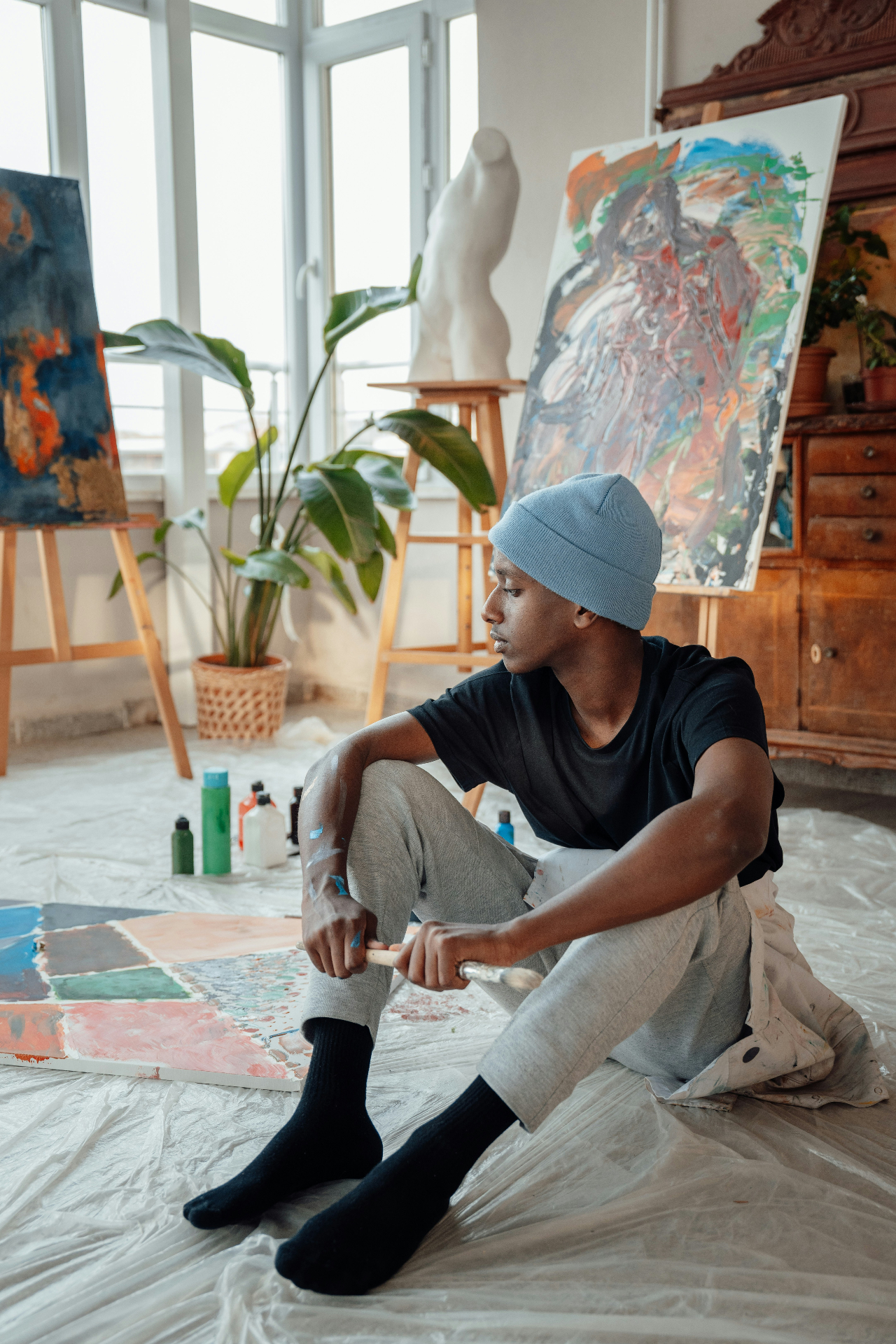
01 — Within
The Solo Ritual
A return to yourself. Slow breath, soft light, the long exhale you didn't know you needed.
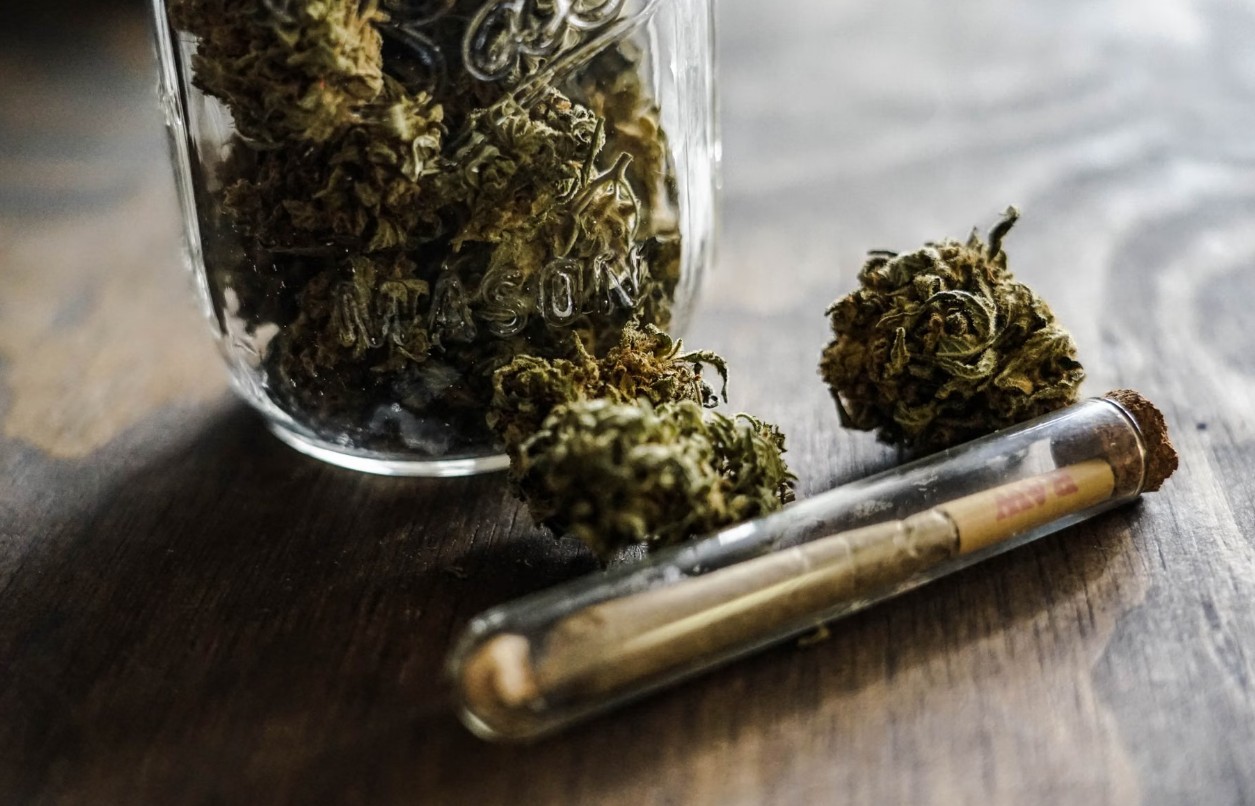
You don't need a temple, a teacher, or an hour you don't have. A ritual is just a few minutes lived on purpose. Cannabis, with intention, can help you mean it.
Strip away the incense and the ceremony, and a ritual is a simple thing: an action you do on purpose, with attention, that means something to you. Pouring your morning coffee can be a ritual. So can lighting a candle before dinner, or stepping outside before bed to look at the sky.
The difference between a habit and a ritual is intention. A habit is something you do without thinking. A ritual is something you do because you've decided it matters.
For most of human history, ordinary people built rituals into their days as a way of staying connected; to themselves, to one another, to the moment they were standing in. Modern life quietly stripped a lot of those rituals away. Building a few back in, on your own terms, is one of the most useful things you can do for your nervous system.
Every ritual, however small, has the same bones. Once you can see them, you can build them in your own lab.
A reason, named out loud or quietly to yourself. Why are you here, and what do you want to leave behind?
Something that anchors the practice: a candle, a cup of tea, a piece of music. For us, it's the sacred herb.
The practice could be 20 minutes or two hours. The depth of the practice is less about the duration, and more about intentionally setting aside time.
Where your attention goes so too does your energy. Distractions will come, be willing to keep returning to the now.
Cannabis has been part of human ritual for thousands of years, across nearly every continent, long before it was a product on a shelf. People used it to mark gatherings, to soften the edges of grief, to settle the body before prayer or sleep, and to make ordinary moments feel a little more vibrant.
Used with intention, cannabis lowers the volume on the running commentary in your head. The shoulders drop. The breath gets a little deeper. The senses widen. In today's world this may feel like magic, but it's simply the plant doing what it does, and you noticing because you've made the space to notice.
That is where getting high and practicing a ritual differ. Getting high is a destination, which is great in itself. A ritual is a doorway. Cannabis is one of the things that helps the door open, but the room you walk into is yours.
How to build a cannabis-enhanced ritual:
01.Pick the moment, not the mood. Decide when and where this ritual lives: weekly Sunday brunch with friends at a friend's house, Friday evening following a long work week on the front porch, Wednesday outside the gym after a group workout. Anchoring it to a moment is what turns it from a wish into a practice.
02.Name your intention. Establish what brought you to the practice. "I want to feel my body again." "I want to be present with friends." "I want twenty minutes that belong to me, and me alone." Feel free to set the tone here.
03.Match the plant to the practice. A long walk asks for something different than a journaling session, and both ask for something different than a dinner with friends. Consider onset, duration, and what kind of headspace you actually want.
04.Make a small opening gesture. Light a candle. Put on the same record. Recite a mantra. The gesture tells your brain: the ritual has begun, the rest of the day can wait.
05.Stay with what shows up. Allow the experience to unfold without intervention. Boredom, tenderness, a memory you forgot you had. The work of the ritual is to not to judge what may arise. Just notice it, and let it pass through.
06.Close it on purpose. A breath. A stretch. A sentence in a notebook. The closing matters as much as the opening — it's how the ritual becomes a thing you can return to.
Done on a consistent basis, regardless of duration, a ritual practice tends to give back more than the time it costs. Changes you may see within a month:
Show up for the practice and watch your world transform.
We've grouped our practice into three doorways. Pick the one that sounds like what your week is missing.
A return to yourself. Slow breath, soft light, the long exhale you didn't know you needed.
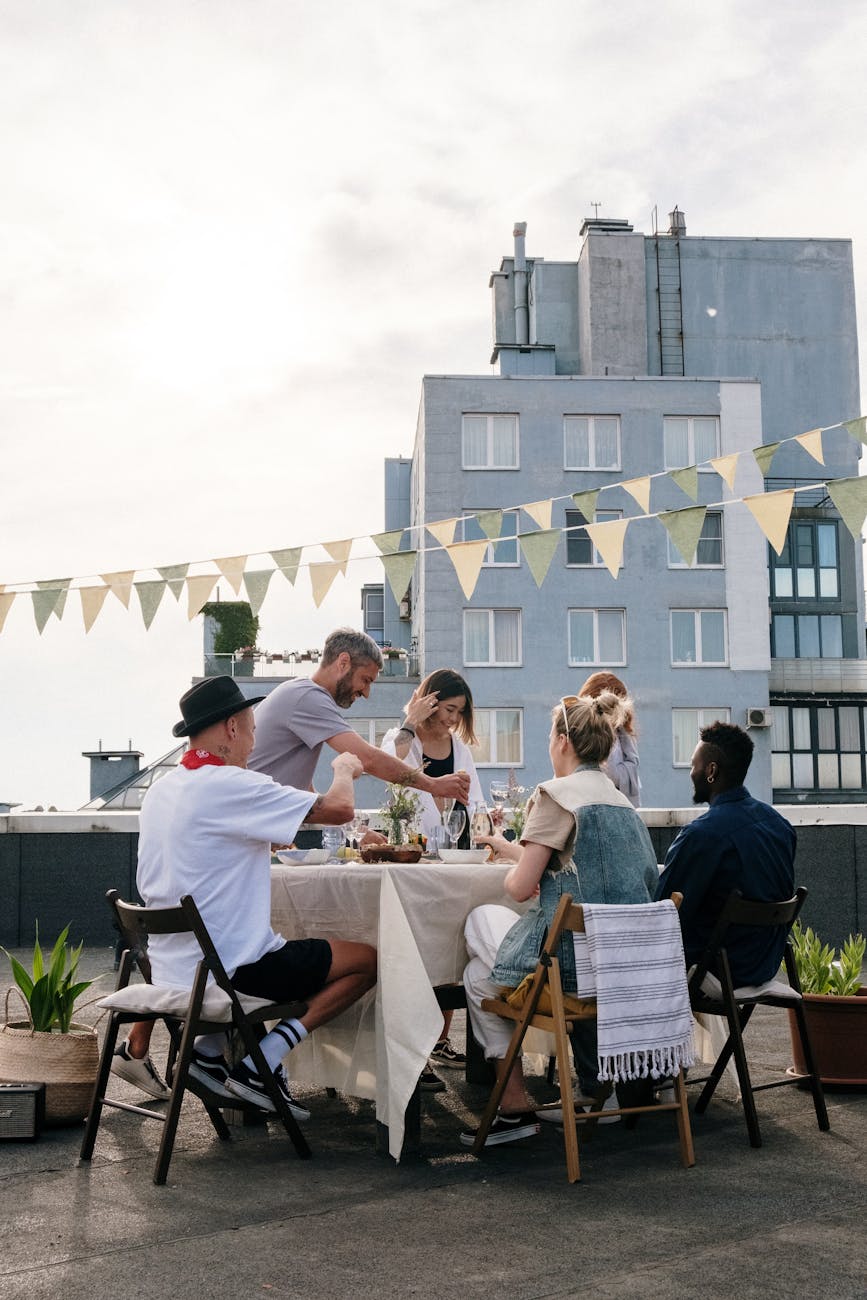
Porch lights. Shared laughter. The friend who shows up. The little rituals that turn an evening into a memory.

Live music at a festival. A quiet beach sunset. The moment opening up, and you, finally inside it.
A simple guide on how to cultivate gratitude — daily prompts and weekly exercises that retrain your attention toward what's already good.
From the Journal