An Interview with Solomon E. Stretch, LPC: Honest Conversations About Cannabis
A Licensed Professional Counselor and recertifying Addiction Counselor with nearly 20 years in behavioral health sits down with us to talk about addiction, cannabis, stigma, and intentional use.
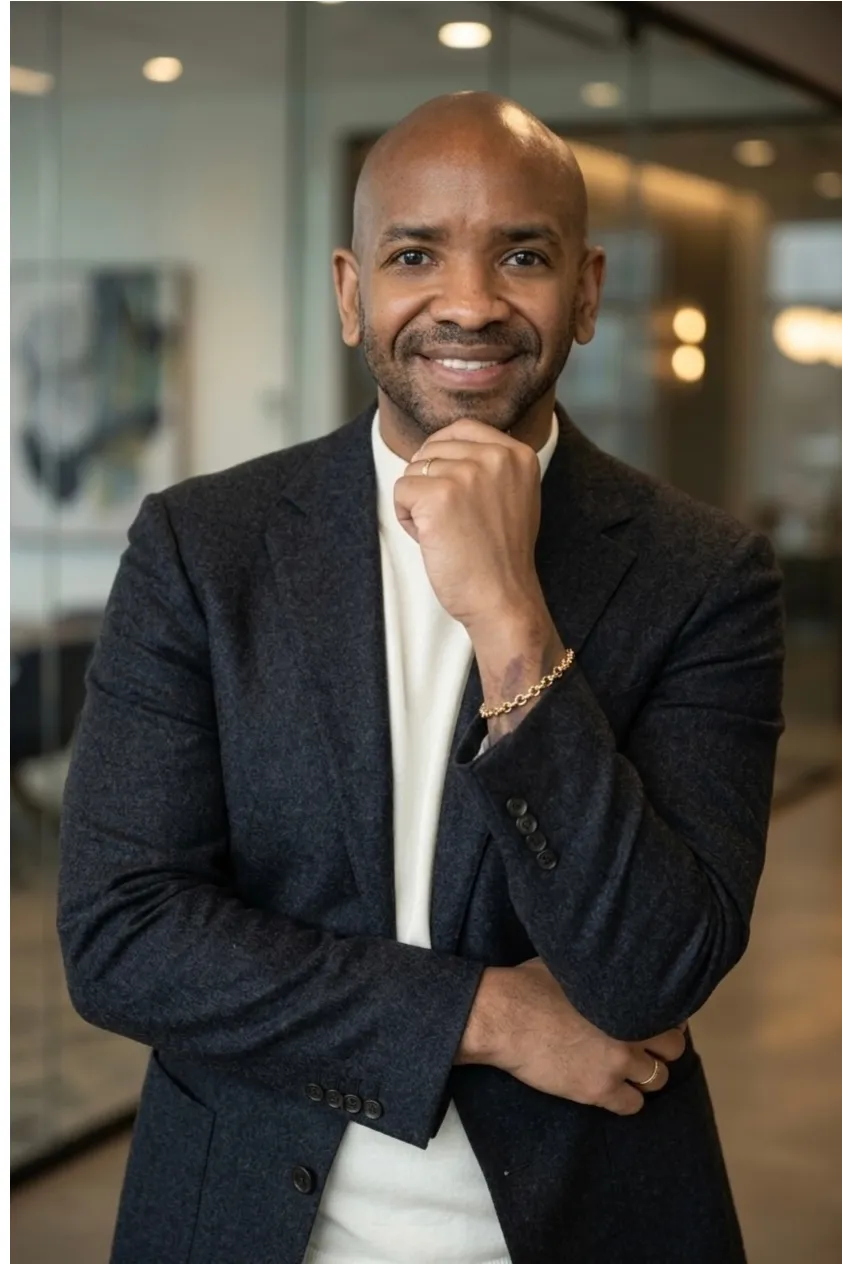
At LOFI VIBEZ, we talk a lot about intentional use — knowing what you want from the plant and why. So we sat down with someone who spends his professional life helping people understand their relationships with substances. Solomon E. Stretch is a Licensed Professional Counselor and recertifying Addiction Counselor who has worked in behavioral health for nearly 20 years, with clients ranging from kids on the autism spectrum to veterans and folks navigating the justice system. We asked him about addiction, cannabis, stigma, and how anyone can take an honest look at their own use. His answers have been lightly edited for length and clarity.
Thank you for taking the time to sit with us and talk about substance use and perceptions around cannabis use. Tell us who you are and why you do what you do.
Hello Lofi Vibez family! I'm Solomon E. Stretch, a Licensed Professional Counselor and recertifying Addiction Counselor. I've been in the behavioral health field for nearly 20 years! I started working with kids on the autism spectrum back in 2008, taught high school, and eventually earned my Master's in Counseling in 2010 to make a bigger impact. Over the years, I've worked with almost everyone — from mental health and substance use clients to families, veterans, and folks navigating the justice system.
Right now, I run a private practice where I do individual and couples counseling, alongside consulting work. Simply put, I help people look at where they are, figure out where they want to be, and unpack the past patterns that might be holding them back. It's an honor to walk alongside people through their unique journeys, no matter how tough things get.
What do you wish the general public understood about the individuals you support?
That it could happen to any of us. We are all just one decision or one unexpected life event away from being in a completely different set of shoes.
Tell us about your work and observations in the addiction counseling world.
Substance use covers a huge spectrum, but at its core, clinical definitions view addiction as a treatable medical condition. It affects brain patterns and behavior, making it hard to stop using a substance even when it causes serious personal or health issues.
It's deeply tied to how our brain circuits, genetics, environment, and life experiences interact. It isn't just a lack of willpower; it's a complex condition where compulsive behaviors take over despite harmful outcomes.
Over the last 15 years, our understanding has grown so much. We now see addiction through a much broader lens — one that includes social, emotional, and spiritual well-being.
"The biggest takeaway is that science shows us we need to look at the whole person, not just the habit."
How can someone know if they have a problem, or if someone they love has a problem?
We often mix these terms up, but they mean different things in simple terms:
- Use: Simply consuming a substance (like coffee, alcohol, prescription medicine, or cannabis).
- Addiction: Losing control over the choice to use, even when you want to stop.
- Dependence: A physical adaptation where your body gets used to having the substance to function normally.
A handy rule of thumb I use is the "3 C's": Control, Consequences, and Compulsion. Do you feel in control of your use? Do you keep using despite negative consequences? Do you feel a strong compulsion to use to escape or manage tough emotions like stress or anxiety? Asking yourself those three simple questions is a great starting point for self-reflection.
So that's the broader conversation — how does cannabis fit into this context?
Cannabis is like any other active substance — it affects the mind and body. People turn to it for many reasons: relaxing, coping with physical or emotional pain, enhancing experiences, or medical support.
We've seen massive shifts in laws, culture, and access over the past decade. It's dynamic, and I respect brand approaches that prioritize quality and responsibility.
"That's what I love about the Lofi Vibez focus on "intentional use." Encouraging mindfulness around how and why you use creates a healthier, purpose-driven relationship with the plant."
When I look online I see debates about the addictive nature of cannabis. What are your thoughts?
Yes, it can be. If you look at the criteria for addiction, you could substitute cannabis with sugar, sex, or shopping and see similar psychological habits form. It's also nuanced because cannabis is sometimes paired with other substances like nicotine, which carries high physical dependency. Everyone's reaction and relationship to it is unique.
How do you think your participation in this interview can be impactful?
Some colleagues told me to be careful, but my approach isn't about giving restrictive "no's." It's about opening a space for honest, grounded conversations about well-being and intention.
Working in the justice system showed me that individual choices don't happen in a vacuum — they are heavily shaped by community and social factors.
Early in my court-mandated work, I had a client test positive for cocaine alongside cannabis, which they adamantly denied using. It turned out their roommate had been secretly mixing cocaine into their blunts without telling them! It was a real eye-opener on how our immediate environment, friends, and family directly shape our struggles and experiences.
Substance struggles are rarely just an individual issue — they're tied to broader issues like community trauma, social influences, and systemic factors. Societal stigma and judgment often drive shame, making it harder for people to seek help or have open conversations. Shifting from judgment to understanding is key.
Wow, that was quite a story and you seem to have a lot of insight. What would you offer to people who are concerned about cannabis?
Start with intention by asking: "What do I want from this, and why?" Follow up with the 3 C's: Am I in control? Are there negative consequences? Am I using this to avoid negative feelings?
If you need support, don't hesitate to reach out. And if you're concerned about a loved one, start with an open, non-judgmental conversation.
THCA delivery in Atlanta, same day
Part of a good session is how you get your weed. LOFI VIBEZ offers THCA delivery across Atlanta and the surrounding metro, within 20 miles of the city. Order lab-tested THCa flower, pre-rolls, edibles, and vapes online and get same day weed delivery in Atlanta, discreet and straight to your door. Every product comes with a Certificate of Analysis. Must be 21+ with a valid government-issued ID.
READ NEXT